

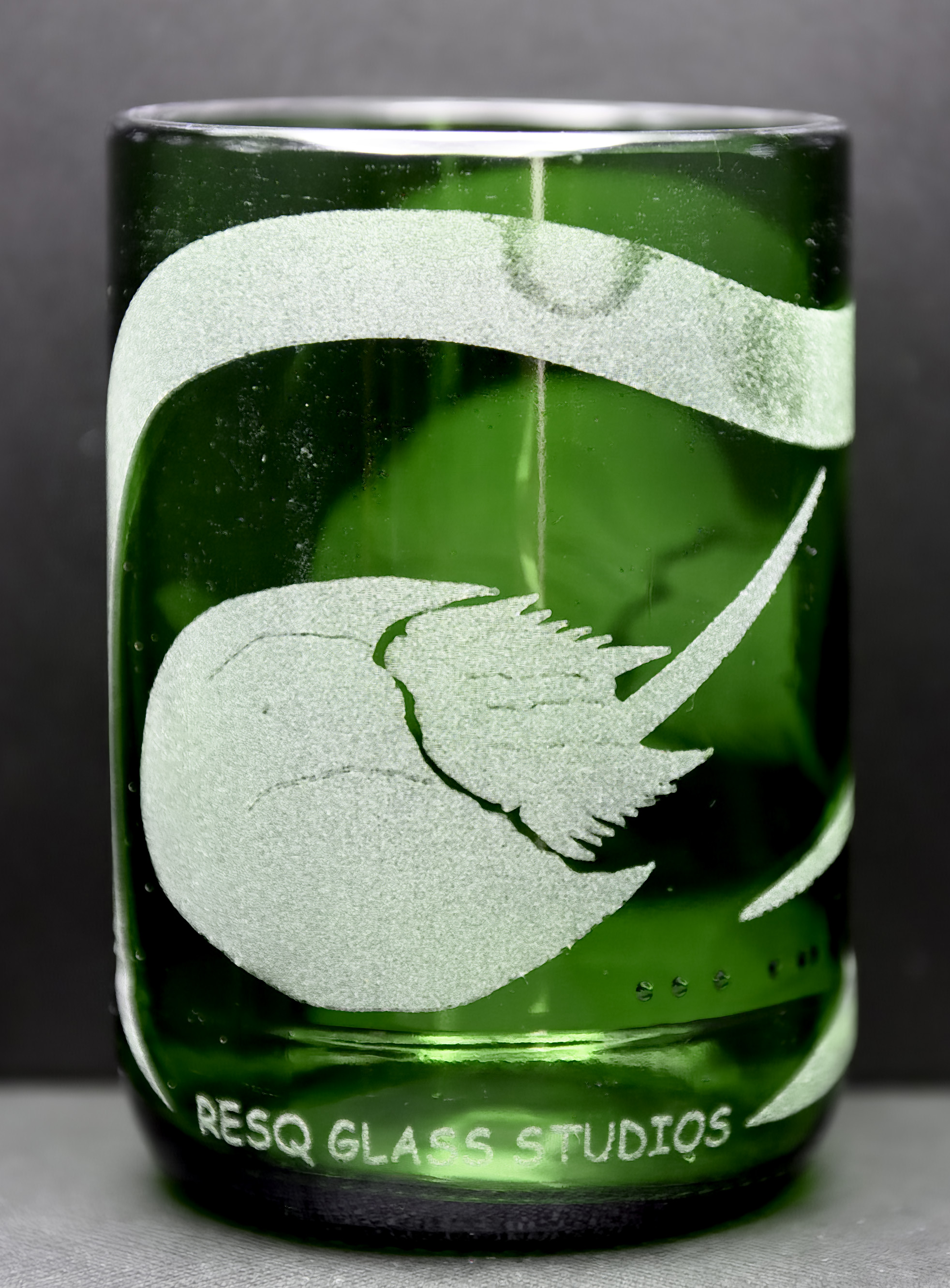
Horseshoe crabs (Limulus polyphemus) are marine and brackish water arthropods (not crabs) with fossil records extending as far as 480 million years ago. They are generally found in intertidal zones at spring high tides during mating.
Population declines have resulted from coastal habitat destruction and overharvesting for food, bait, fertilizer, and collection of their blood for use in medical detection of infection.
Wellfleet Bay Wildlife Sanctuary conservation efforts have been vital for protecting our prehistoric horseshoe crab population.

The Diamondback Terrapin (Malaclemys terrapin), native to Northeastern USA, is the only turtle to exist in brackish coastal estuaries, tidal creeks and salt marshes. Listed as Threatened in Massachusetts, Cape Cod terrapin populations have decreased dramatically due to coastal development, motorboat propellers, crab traps and cars as females and hatchlings crossroads between the water edge and nesting grounds.Wellfleet Bay Wildlife Sanctuarytags and tracks adult terrapins and protectsnests until hatchlings can be released.
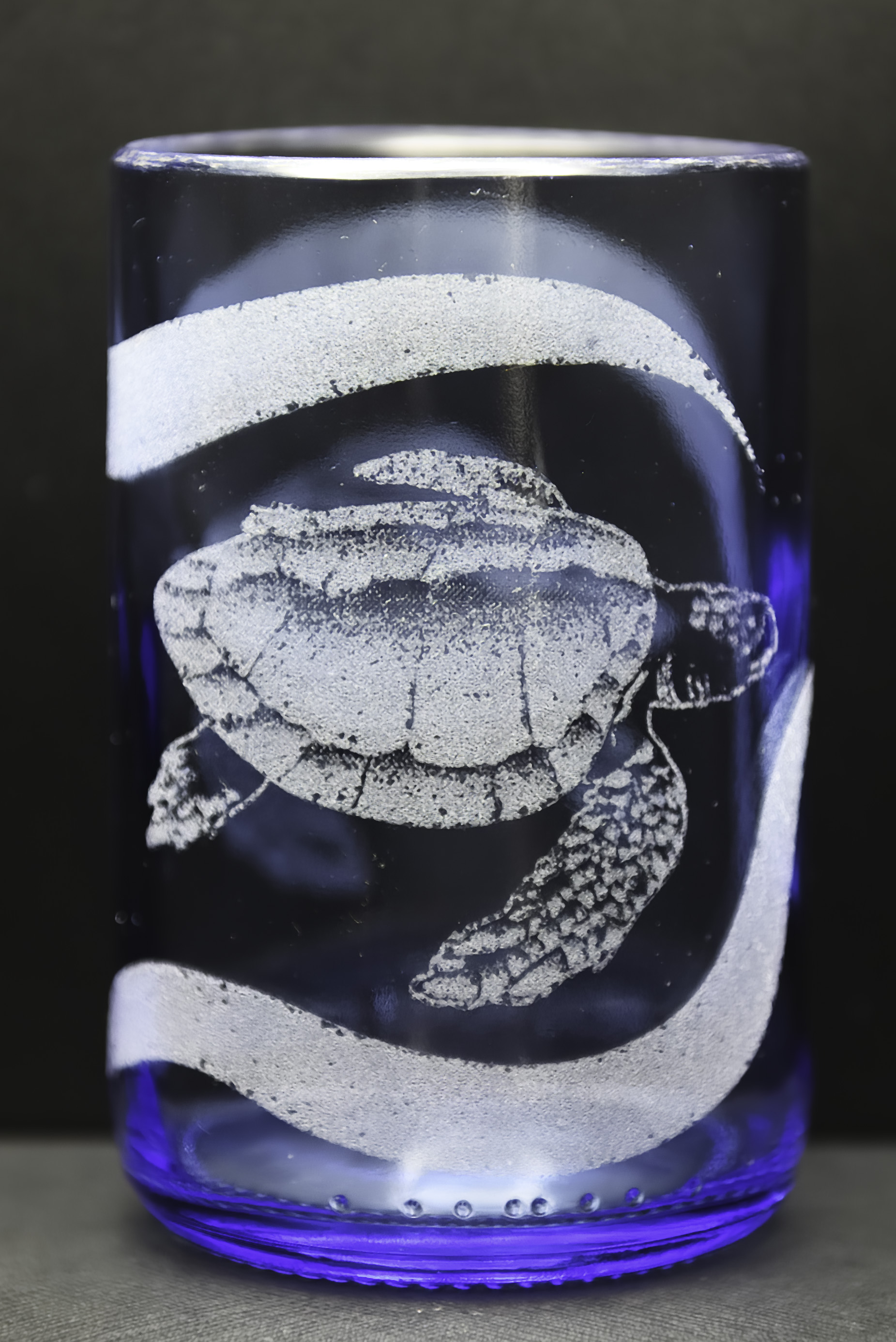
Kemp’s Ridley turtles (Lepidochelys kempii,) the world’s smallest sea turtle,primarily inhabit the Gulf of Mexico & southeast coastal USA. Juvenilessummer in Cape Cod Bay, eating crabs, jellyfish, & algae.
In Fall, these ectothermic turtles must migrate south, but Bay currents disorient them. With decreasing water temperatures many become cold stunned – too cold to eat, drink, or swim. High seasonal winds push them to shore, where they become trapped at low tide.
The Wellfleet Bay Wildlife Sanctuary coordinates annual rescue efforts for these endangered sea turtles.
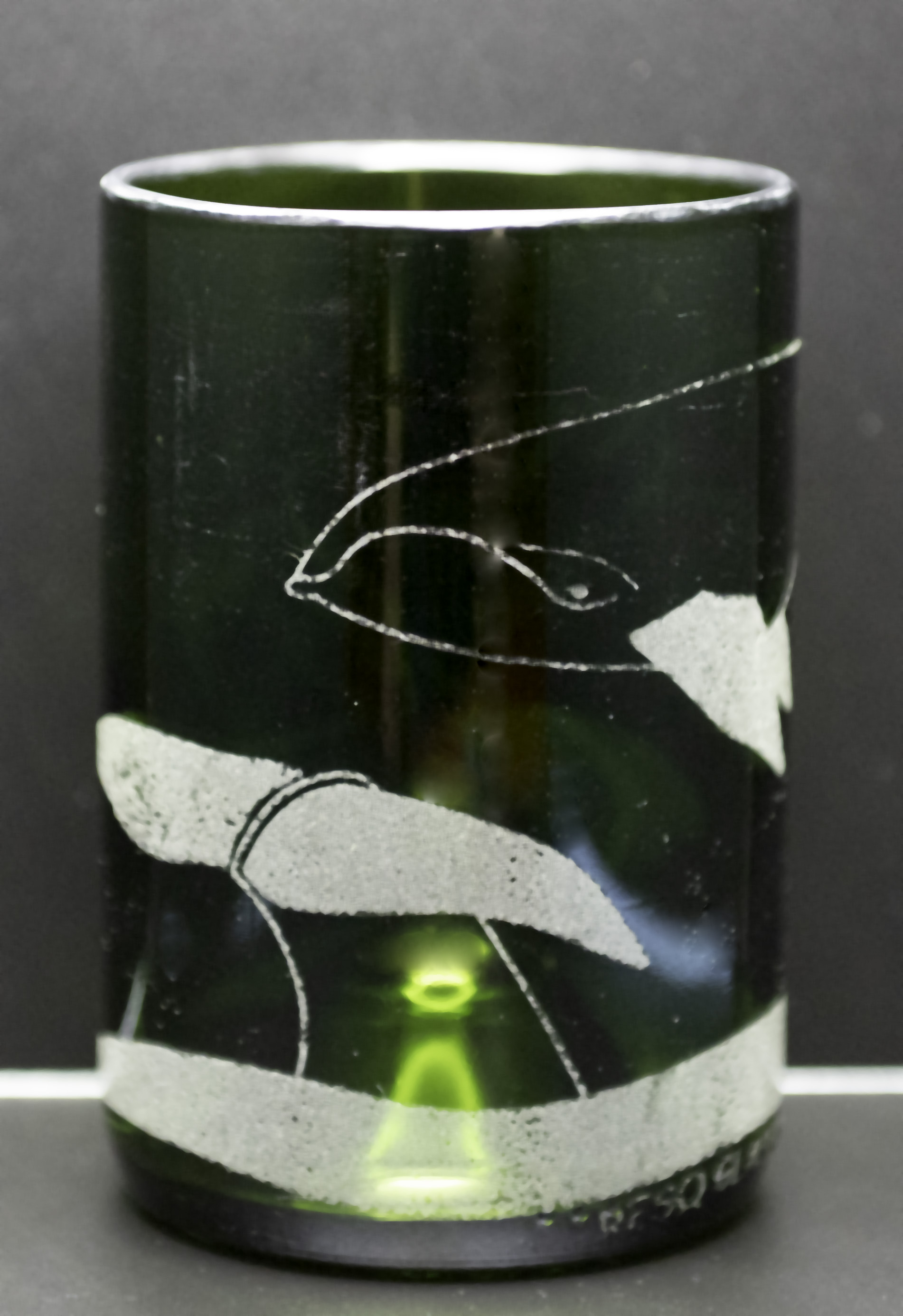
North Atlantic right whales (Eubalaena glacialis) are baleen whales that whalers targeted for their high blubber content and tendency to surface feed close to shore.
Today vessel strikes & fishing gear entanglement cause nearly half of North Atlantic right whale deaths. With fewer than 500 along the North Atlantic East Coast, they are protected under the U.S. Endangered Species Act. Cape Cod Bay and the sound around Nantucket & Martha’s Vineyard have mandatory springtime speed restrictions to protect right whales and their calves.
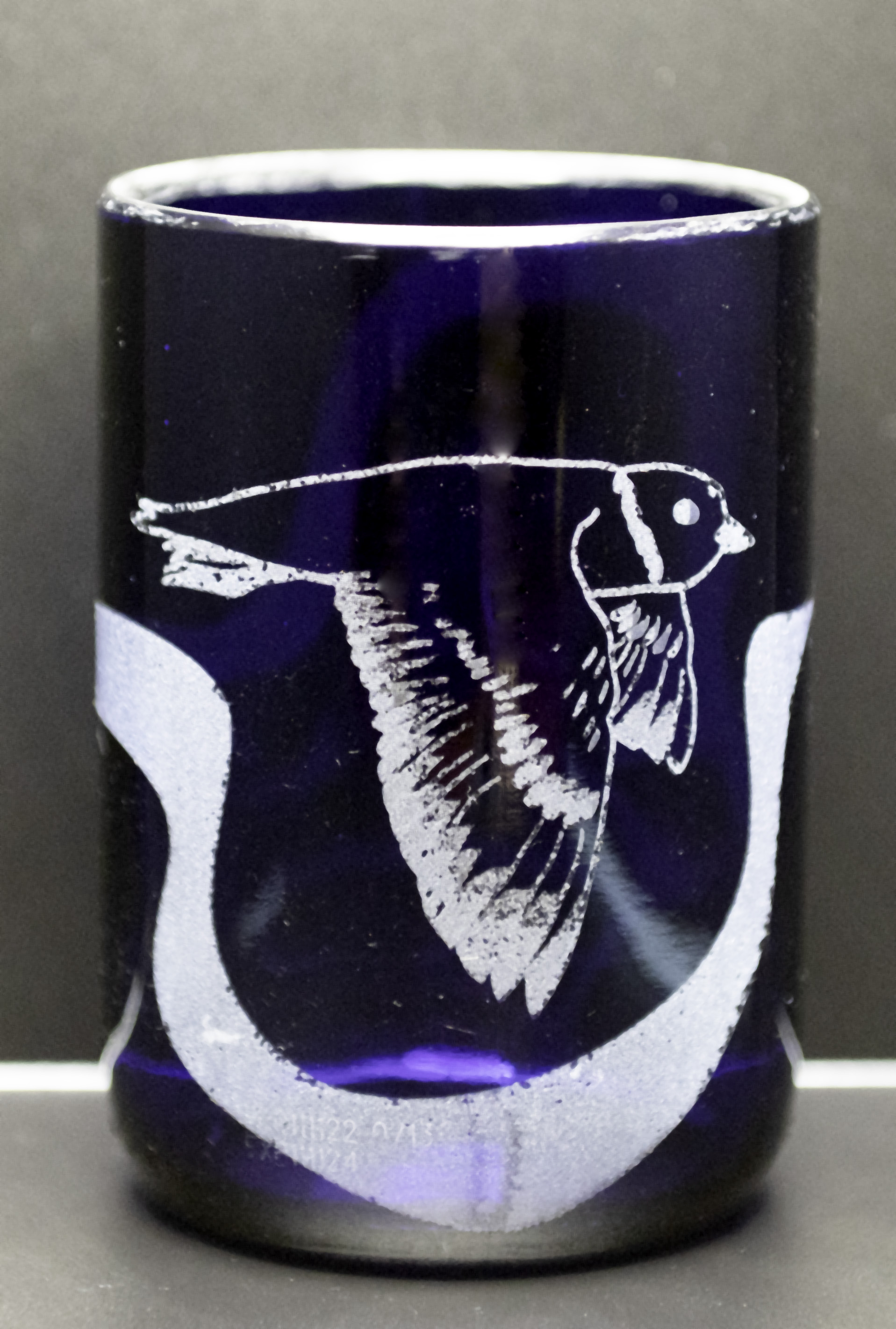
Piping plovers (Charadrius melodus) are small sand-colored shorebirds that breed, nest, and feed along the high tide wrack zone & water edge on North American East Coast beaches. Adults have a characteristic black band across the forehead and a black stripe running along the neck.
The U.S. Fish & Wildlife Service lists the Atlantic plover populations as threatened. The Mass Audubon Coastal Waterbird Program is one of the most effective conservation programs helping to recover the number of Massachusetts Piping Plover nesting pairs from 135 in 1986 to 805 in 2020.
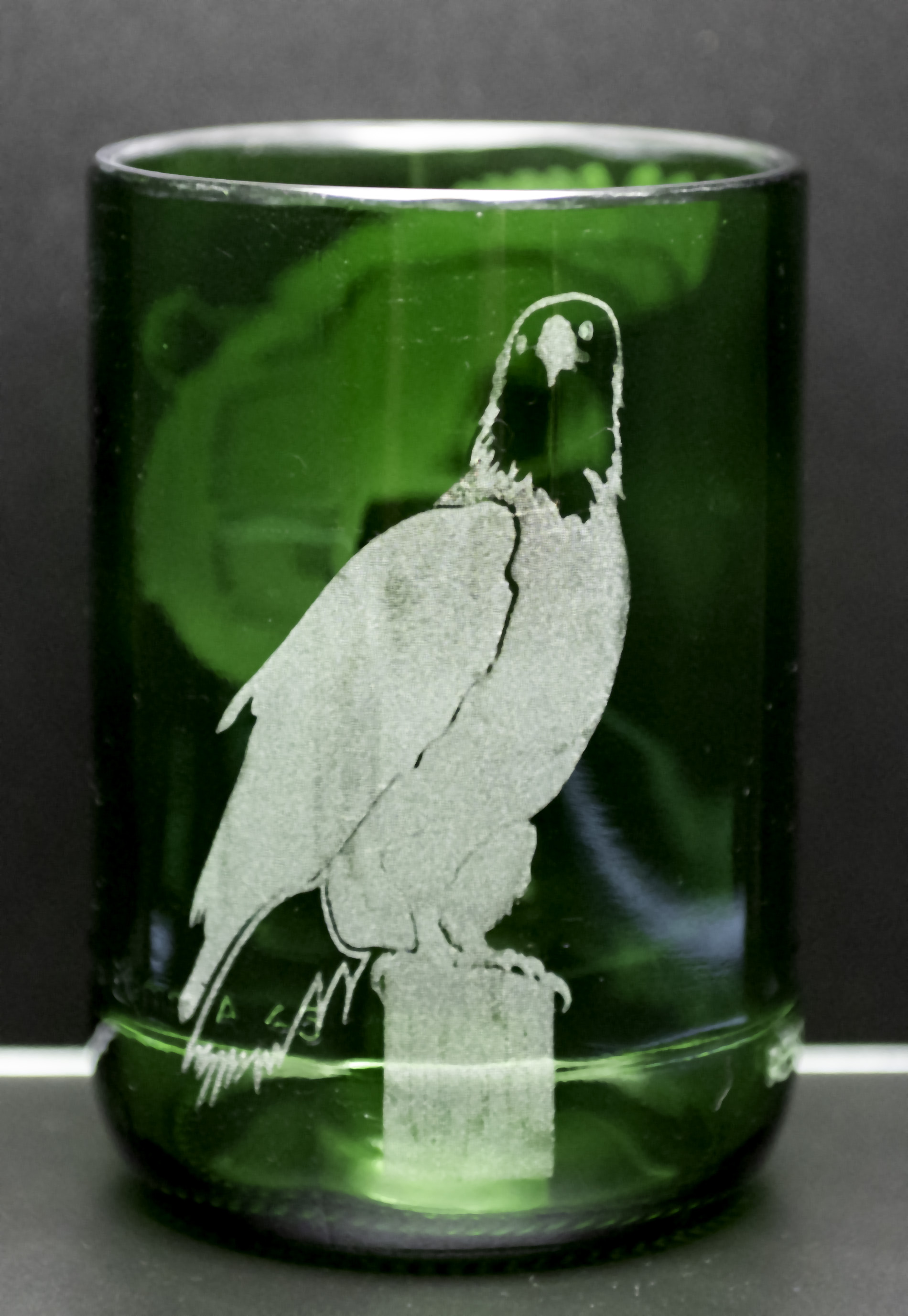
The national bird of the USA, Bald Eagles (Haliaeetus leucocephalus), are birds of prey populating North American coastlines, where these sea eagles nest in tall old-growth trees and fish in open coastal waters.
Eagle numbers declined in the 1950-60s due to widespread use of DDT. Since initiation of the MA Division of Fisheries & Wildlife and Mass Audubon restoration project in 1982, MA populations have recovered with recent sightings of eagle pairs soaring over Outer Cape waters. Successful conservation efforts have led to removal from the Federal Endangered &Threatened Wildlife list.
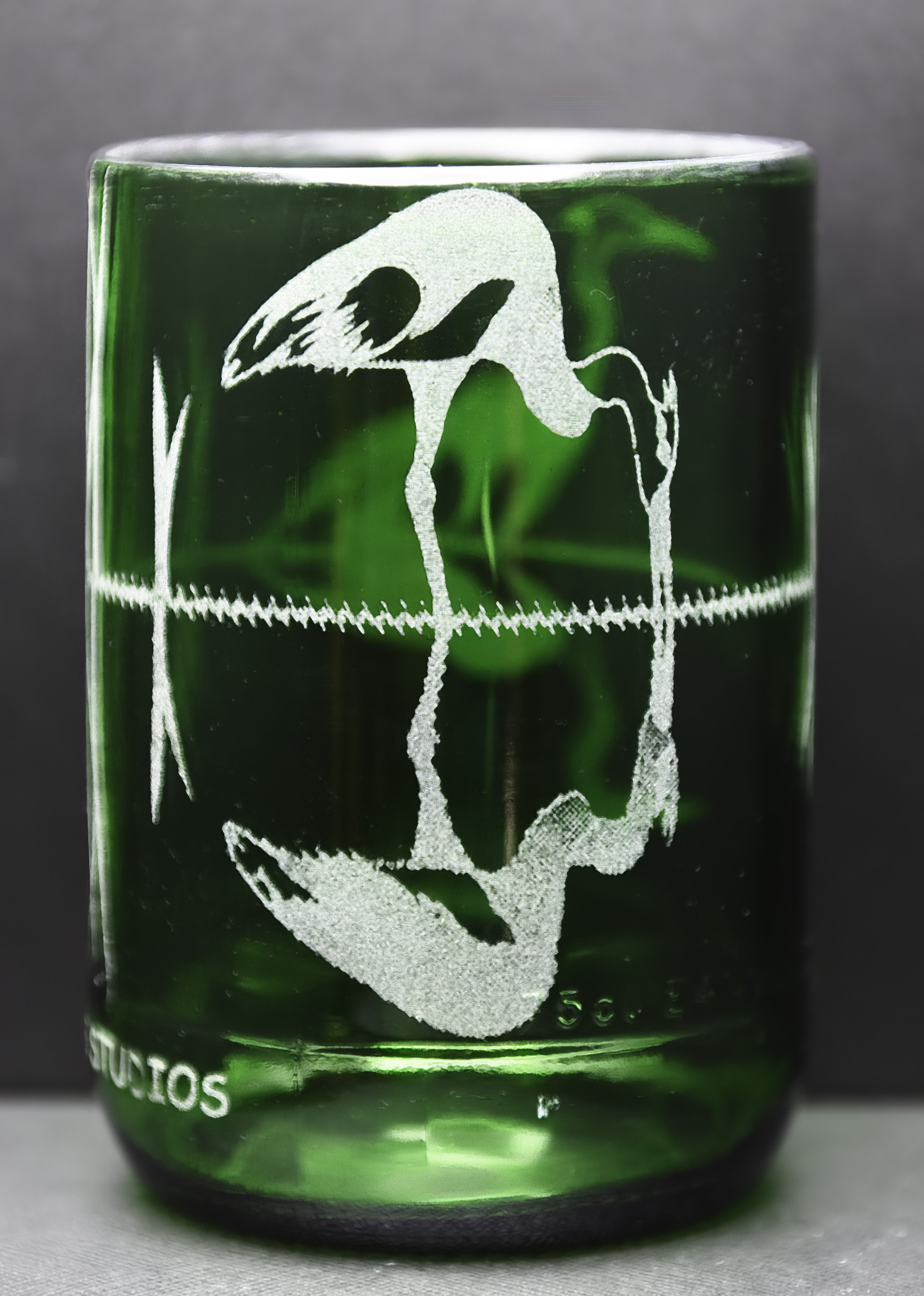
A quintessential sight in Wellfleet Saltwater marshes, Great blue herons(Ardea herodias), stand majestically still as they track fish, crabs, insects, & small rodents and wait for a moment to strike. Once rare in the Northeast due to hunting and pollution, they represent a conservation success story in Massachusetts.
Protected by the Federal Migratory Bird Treaty Act of 1918, it is illegal to capture or harm a Great Blue Heron, its nest, or eggs.
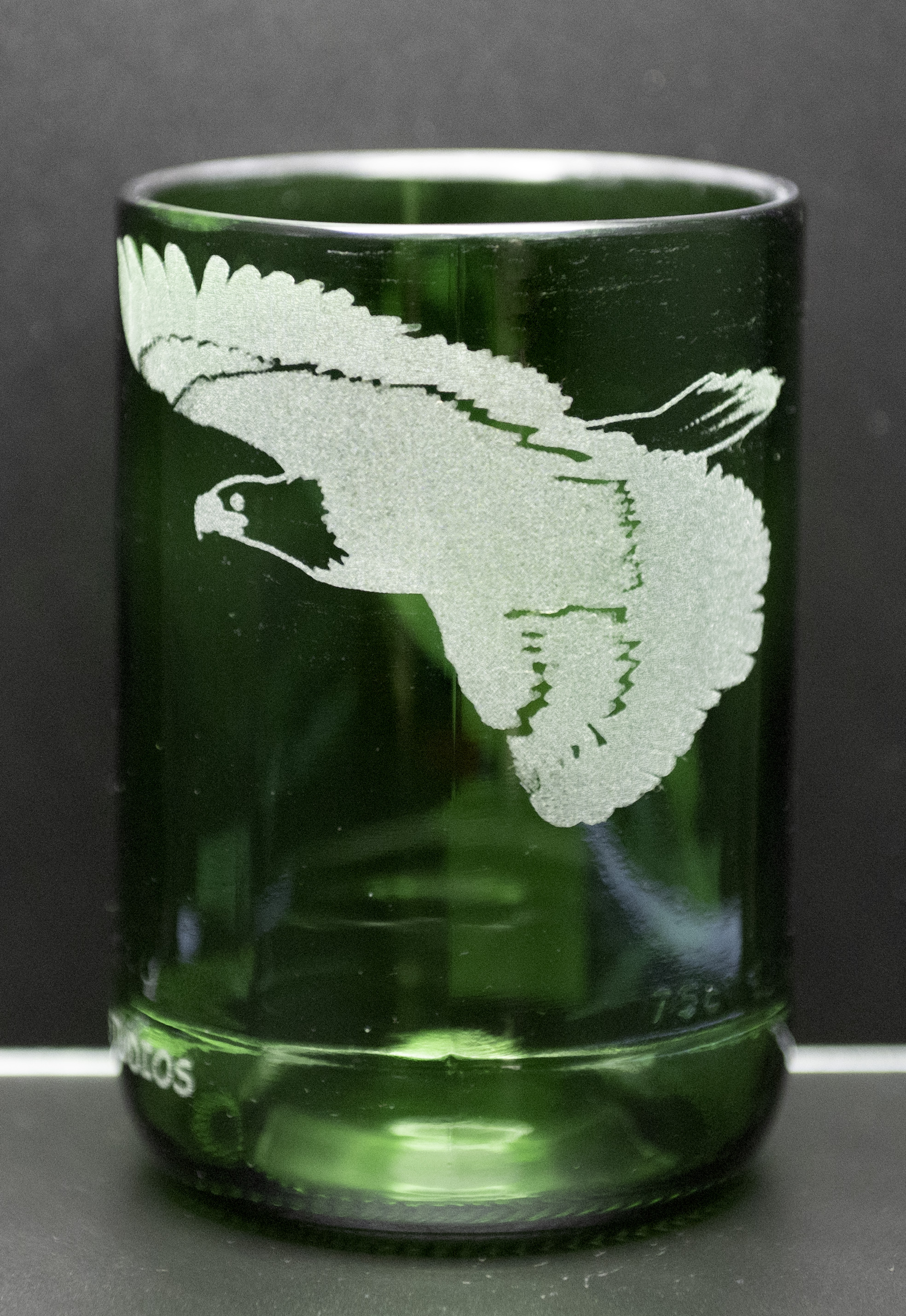
We are very grateful to the staff at PB Boulangerie and The Pheasant for contributing bottles that we transform into ResQ glasses.
 Changing Tide Studio